
Answers you can trust,
grounded in the church.
The whole Reformed tradition to read, search and study: the Bible with the original languages and word studies, the confessions, the synods, the great theologians, and your own church's minutes. Ask anything; every answer is cited.
- Grounded in church polity & confession
- Every answer cited, nothing invented
- Research & reports in seconds
Powered by frontier models. Open to everyone · Reformeer Plus $9/month
Ask. Research. Get sources.
Ask a question. The AI searches the whole corpus and answers with exact citations, or a full sourced report when you need one.

The Heidelberg Catechism addresses the Lord's Supper in Questions 75–82. Question 75 asks: How does the Lord's Supper remind and assure you...
Christ instituted the Supper as a sign and seal of his body and blood. The bread and wine are signs of his crucified body and shed blood.
Everything included.
No purchases.
Five centuries of Reformed thought, 150 years of synod records, and your church's own minutes, in one searchable corpus.
Built for GKSA, NG Kerk, APK, OPC, PCA and any other Reformed congregation.
Denomination layer
Confessional standards, church orders, and official synod records from four denominations.
- Three Forms of Unity
- Three ecumenical creeds
- GKSA Church Order + formularies
- GKSA Acta Synodalia 1873–2023 (38+ volumes)
- OPC General Assembly 1936–2025 (89 years)
- URCNA synod acts 1996–2024
- VGKSA synod acts 2008–2021
Broader Reformed library
Classic Reformed scholars and theologians, shared across all users.
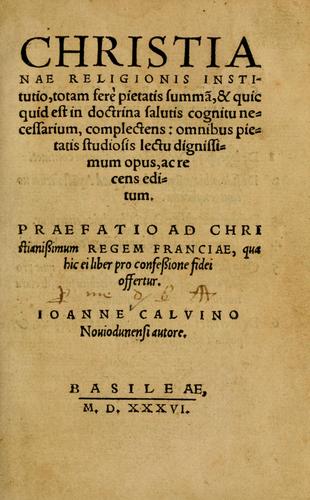
- Calvin: Institutes (1536) & Commentary on Romans
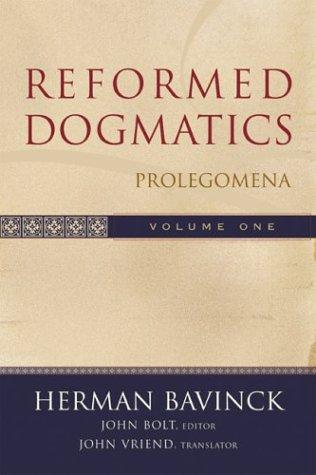
- Bavinck: Reformed Dogmatics (4 vol) & The Wonderful Works of God
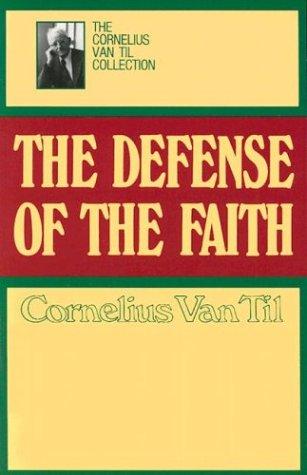
- Van Til: A Christian Theory of Knowledge, Defending the Faith, & more
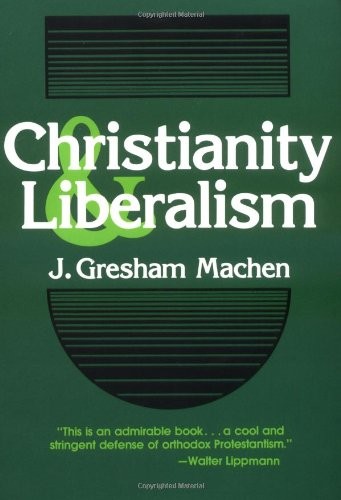
- Machen: Christianity and Liberalism, & more
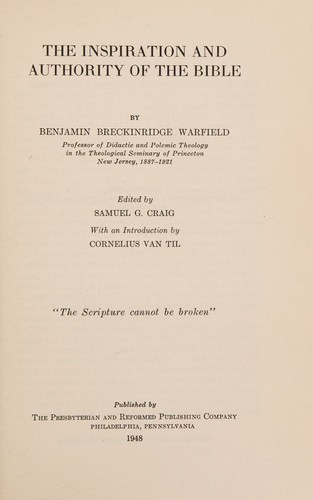
- Warfield: on the inspiration & authority of Scripture
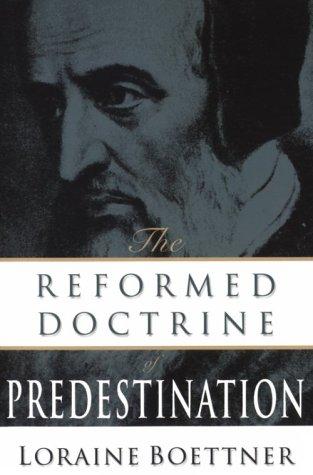
- Boettner: The Reformed Faith
- Floor, Visser, Stoker, Coetzee
- 20+ further Reformed works
Council documents
Private documents each council uploads, visible only to your congregation.
- Council minutes
- Local regulations
- Policy decisions
- Pastoral resolutions
- Any other local documents
Not the books you can buy. The sources you can't.
Anyone can sell you Calvin and Bavinck, book by book. No personal library gives you 150 years of synod acta and your own congregation's minutes: read, cross-referenced and cited for you.
A Reformed study desk, not just a chatbot.
Read the Scriptures in the original languages, search the whole tradition book by book, and prepare sermons and studies. All grounded in the confession.
The Bible, to study
AOV and KJV, with the Hebrew and Greek interlinear. Tap any word for its meaning and every place it occurs in Scripture.
Search the whole tradition
Search the corpus book by book. See what the confessions, synods and great authors say about any text.
Study mode for sermons & exegesis
Exegesis, word studies and sermon prep, tested against the confession, delivered as a document you keep.
Not a personal library. A church's own AI.

Benchmarked, not asserted.
On CREDO, an open 23-question benchmark of theological reliability graded against the Three Forms of Unity, Reformeer scored 96, adversarially double-judged. The leading general models scored 52 to 64.
See the full leaderboardReformeer
Frontier general models
From confession to council minutes.
Ask anything in the corpus, from classic doctrine to your own council's decisions.
What does the Heidelberg Catechism teach about the Lord's Supper?
How does the GKSA Church Order handle disciplinary measures against members?
What decisions did the GKSA General Synod of 1949 make about separate churches?
Discuss Calvin's doctrine of election in the Institutes.
What did the OPC General Assembly decide about women's ordination?
How does the Belgic Confession describe the church in Articles 27–29?
What are the Reformed grounds for infant baptism according to Floor?
Explain the Greek word λόγος in John 1:1.
Prepare a sermon outline on Ephesians 2:8-10.
What does our council's 2022 minutes say about the sanctuary expansion?
Start now. Upgrade when you need more.
Anyone
Open to everyone
- The full Reformed library
- AI answers with citations
- Standard query limit
- All denominational sources
AI upgrade
Per member · No contract
- Everything in the base tier
- Higher query limit
- Priority processing
- Ideal for pastors and elders
Questions we get asked.
Straight answers on trust, sources, and how the AI works for the church.
Can you trust a Christian AI?
Yes, because every claim is cited. Reformeer answers only from a fixed library of confessions, church orders and trusted Reformed sources, and links each statement to the exact document or page. You can check it; that's the point.
What sources is Reformeer's AI grounded in?
The Three Forms of Unity and ecumenical creeds, the GKSA Church Order, 150 years of synod acta (GKSA, OPC, URCNA, VGKSA), and the great Reformed theologians: Calvin, Bavinck, Van Til, Machen, Warfield, Boettner and more, plus your own church's minutes. Confession and polity, not web scraping.
Can it do research and write reports?
Yes. It researches the whole corpus and returns a structured, cited answer you can export as a report, for a sermon, a council paper or a class. It reads the sources so you don't have to.
How is this different from a personal Bible-study library?
A personal library charges per book and per user, then leaves you to read it all yourself. Reformeer is one subscription for the whole church, included for every member, and the AI reads it for you, answers, and cites its sources. It even searches your own council documents. No off-the-shelf library does that.
Is there a Bible reader too?
Yes. The full Bible in Afrikaans (AOV) and English (KJV), with a stacked interlinear of the original Hebrew and Greek. Tap any word to see its meaning, its grammar and every place it occurs in Scripture, then click straight through to those verses. Cross-references are built in, and Scripture is never behind a paywall.
Can it help me prepare a sermon or a Bible study?
Yes. Study mode works a passage the way a trained scholar does: exegesis from the text, word studies in the original languages, and full sermon or liturgy preparation, all tested against the confession. It hands back an editable document you can refine and keep, not just a chat reply.
Can I search the Reformed tradition directly?
Yes. Search the whole corpus book by book, not only by asking the AI. Every result shows a pull-quote from the passage, the section it comes from, and its confessional or Scripture references, so you can see at a glance what the confessions, synods and classic authors say about any verse or topic, then open the source and read it.
Does it understand church order and polity?
Yes, church order, discipline and synod decisions are first-class sources. Ask how the GKSA Church Order handles a matter, what a synod ruled, or what your own council minuted, and get an answer tied to the governing document.
How does it avoid making things up?
It retrieves real passages first, then summarises only what they say, with citations. It won't invent a quote, a catechism question or a synod ruling, and when the corpus is silent, it says so.
What does the Heidelberg Catechism teach about the Lord's Supper?
The Heidelberg Catechism treats it in Questions 75–82: the Supper is a sign and seal that believers truly share in Christ's body and blood by the Holy Spirit, while the bread and wine remain signs. Reformeer answers with the exact references, so you can read the source yourself.
Put your church on Reformeer.
$99 per month for the whole congregation: administration, finance and pastoral care, with unlimited users and no contract. We do the data migration with you.